Reflections from SpicyIP Summer School
Out beyond ideas of inventions and innovation, there is a field; I'll meet you there.
I first came across SpicyIP (and Swaraj) in 2024. I had recently joined the FOSS United Foundation full-time, and one of the first orders of business was grant communications, and the Tech Innovation Fellowship was one of the first programs we supported.
The SpicyIP Tech Innovation Policy Fellowship is devised to contribute to the wider discourse of analysis of IP-related law and policy around new and emerging technologies, such as the discourse around software patents, the AI-IP law and policy interfaces, etc. The underlying theme of the Fellowship is to understand how Indian IP laws and policies can focus on innovation as progress in society, rather than a diluted understanding that limits it to the mechanical fulfilment of specific laws. As such, the Fellowship aims to further the understanding of how/if technologies adequately fit into, or challenge traditional IP frameworks. This will include inquiries into existing and proposed legal norms and whether they fall short with respect to new technologies. Indicatively, this can cover responding to questions around balancing private rights, public access, innovation, and contextual and inclusive technological advancement, etc.
While we didn't get to interact much thereon, I was a silent lurker on the blog. 2 years later, I came across the Summer School.
The program's tagline, "Rethinking IP: Foundations, Faults, and Futures" should have been the first hint that a program on "Rethinking IP" may not suit someone who's never "thought" about it much. Without thinking (as one does), I applied for the program and got in.
The program schedule had a significant focus on commons, Open Source, policy-making, and other topics of my interest, which made it easier to ignore the other half of the schedule - Pharma Stack, Personality Rights, Drug Policy and Licensing, Patent Litigation, Civil Procedure, Media and Entertainment law...
That said, I was religiously going through the suggested readings. I expected a fair bit of challenge from the program, but nothing to lose sleep over.
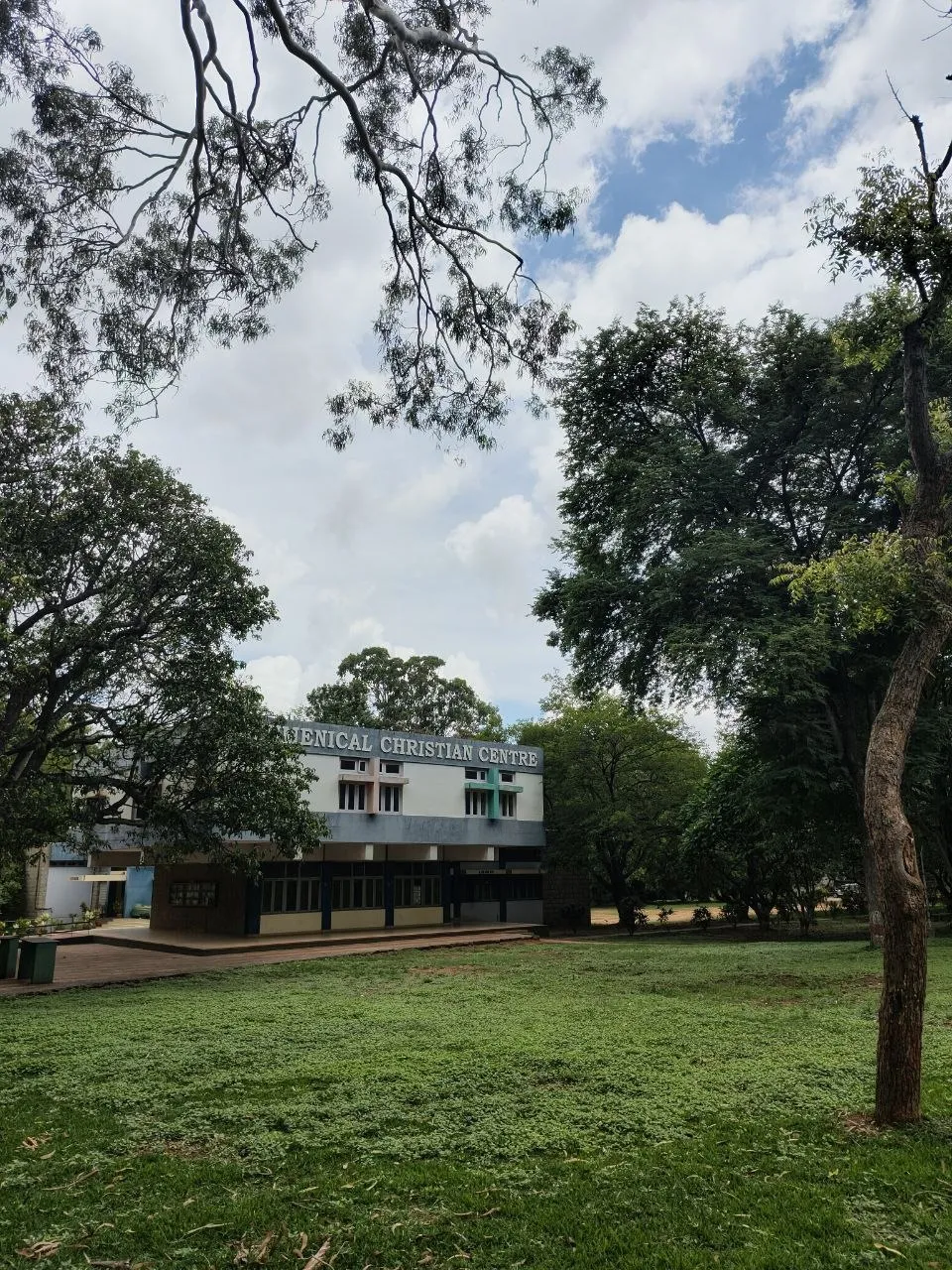
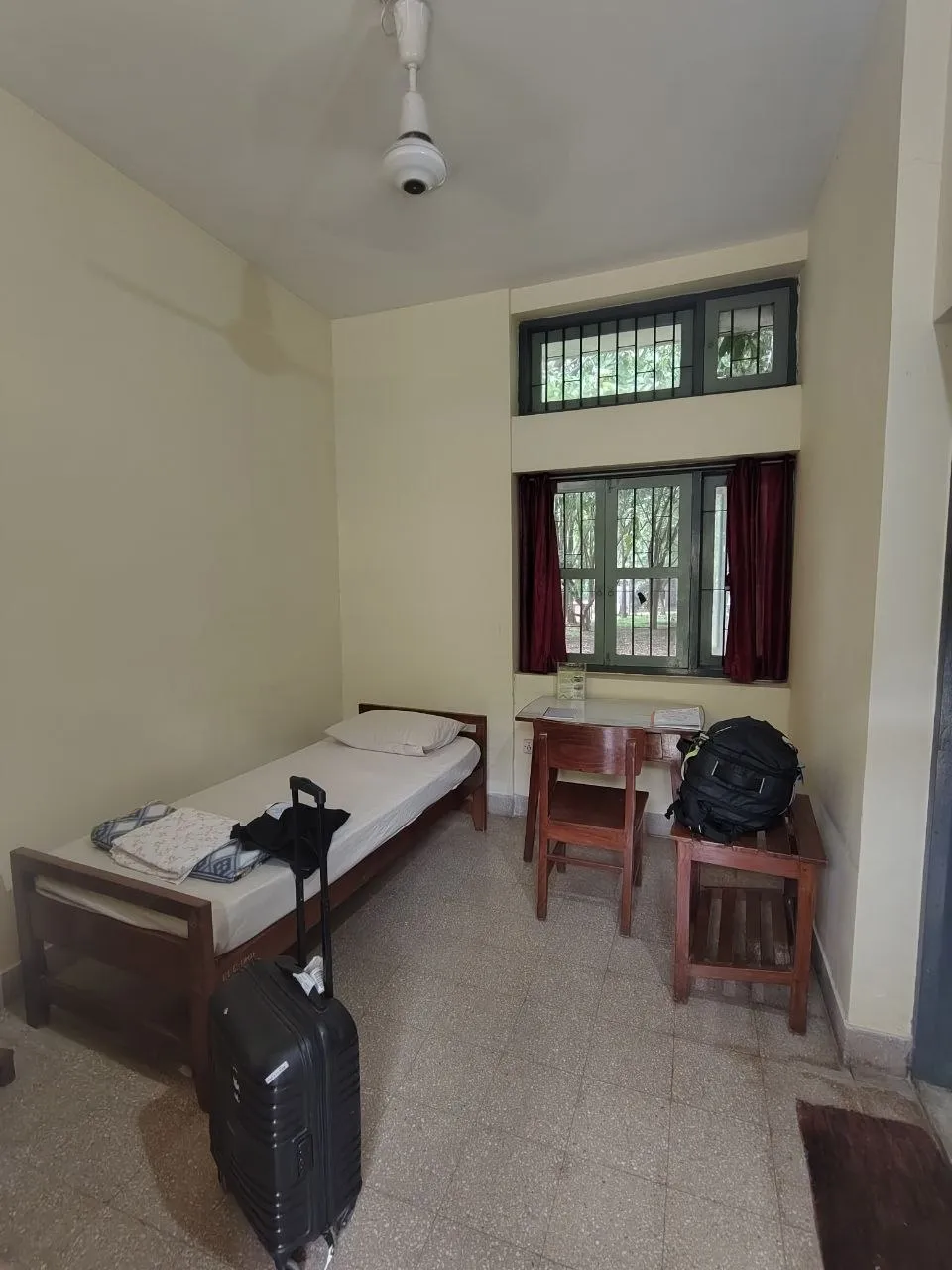
Sleep-deprived, I got on an early-morning flight to Bangalore. 5 hours later (the drive to the venue being longer than my flight, in peak Bengaluru fashion), I reached the Ecumenical Christian Centre. I checked in to my hostel, settled down, and went for Lunch. No matter what the rest of the cohort tells you, I maintain my stance that the food at ECC was pretty good (because I went in with very low expectations, or because I've been missing lowkey South Indian meals for a while).
Fire in the blood
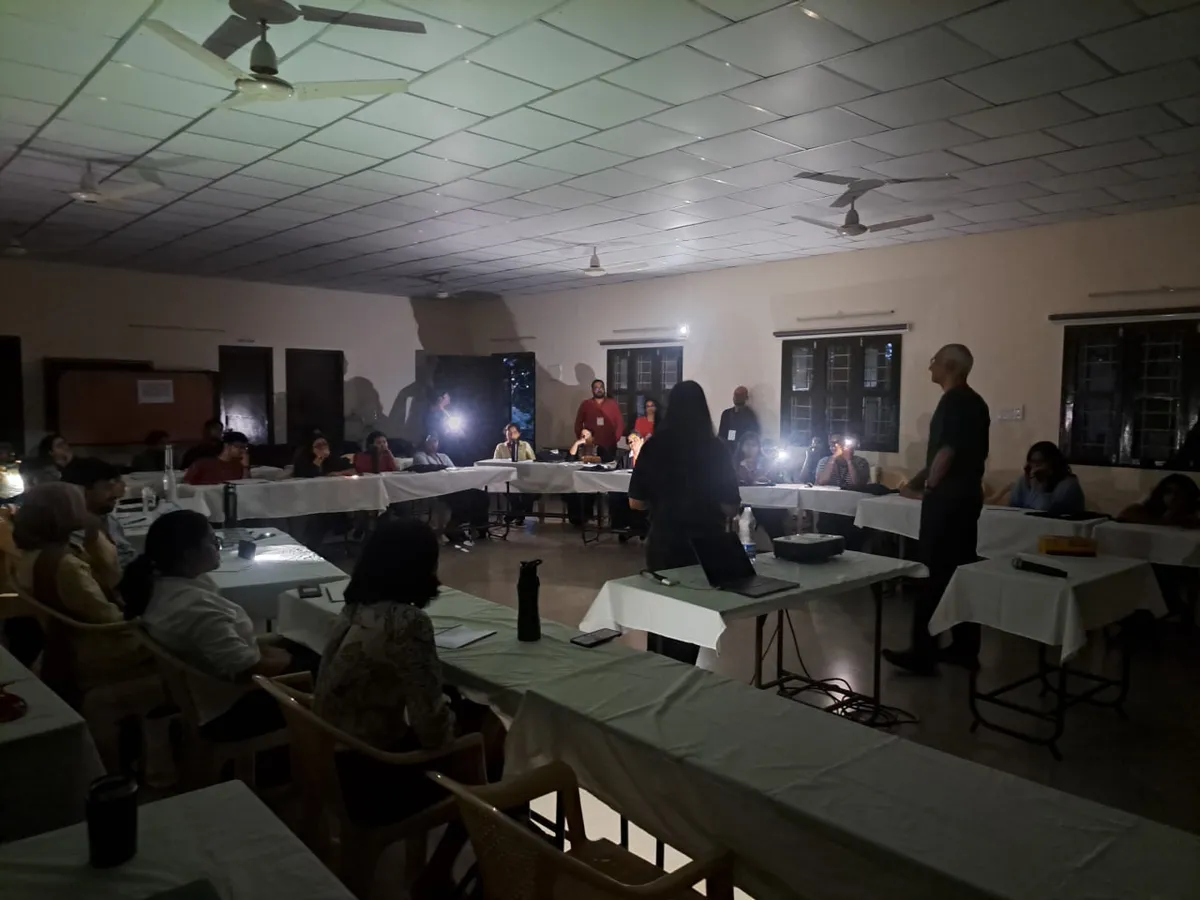
It is important to know that until this point, I was of the view that this is a program aimed at people from all disciplines. Once the orientation was completed, Swaraj announced that there was in fact just one non-lawyer in the room, and it took me a second to figure out who that was. The first day was designed to be relaxed (by Summer School standards). The program started with the screening of Fire in the Blood, a documentary that talks about the lengths Big Pharma went to obstruct access to low-cost, life-saving drugs that were used in the treatment of HIV/AIDS to people in Africa and other countries, driven by companies holding patent monopolies and various Western governments consistently supporting these companies. This "genocidal blockade" is estimated to have resulted in an estimated ten to twelve million preventable deaths. The documentary introduced concepts like drug patents and generic drug manufacturing, which set the course for the next 3 days.
In an effort to help truly "Rethink IP", the faculty took a first principles approach to introducing almost every concept. While all of us had ample thoughts to share on the Generics VS Big Pharma debate, Drug Patents and other novel concepts, Murali chose to start his session with the life cycle of a drug. We went on to discuss more complicated things like the Patenting Process, even spending 7-8 hours reading the Patents Act and I zoned out at some point, choosing to spend my time observing other people instead.
Lawyers
I've never had many lawyer friends, and I was looking forward to meeting this rare breed of people that makes it a point to not see even the simplest things in black and white. Here is how my thoughts about lawyers changed over the course of a week
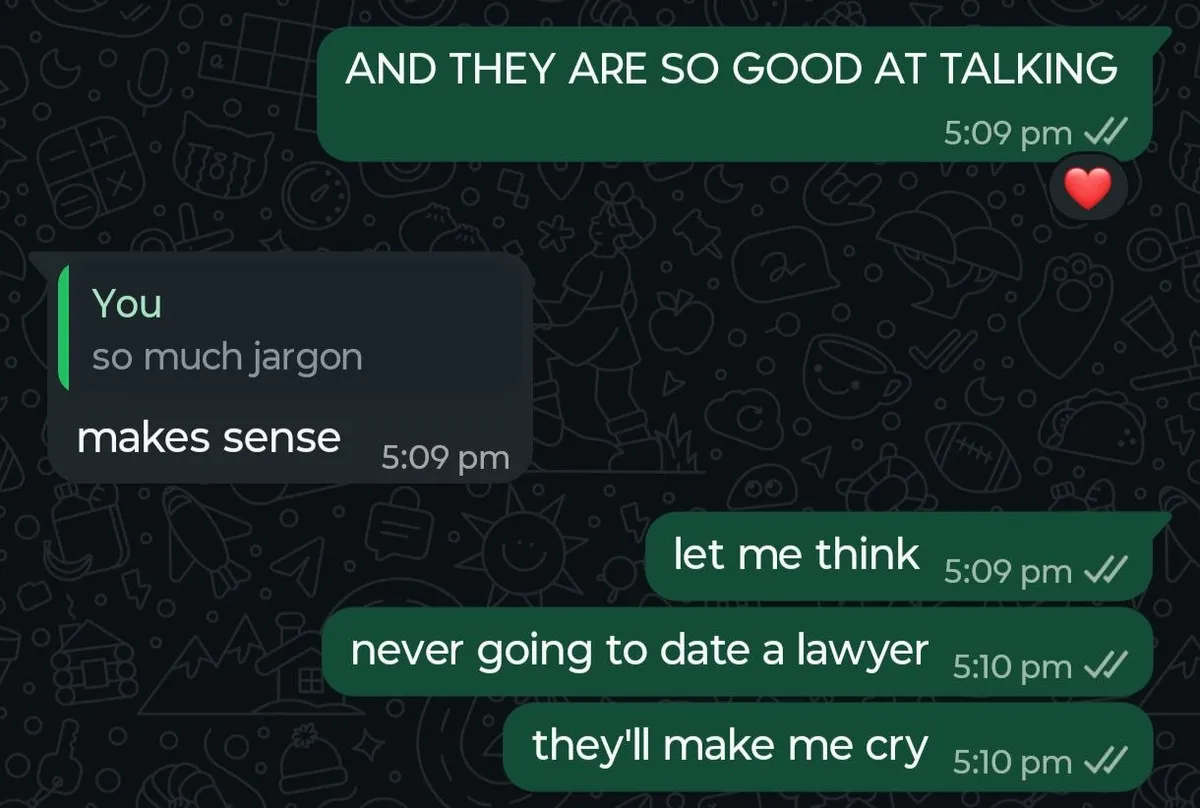
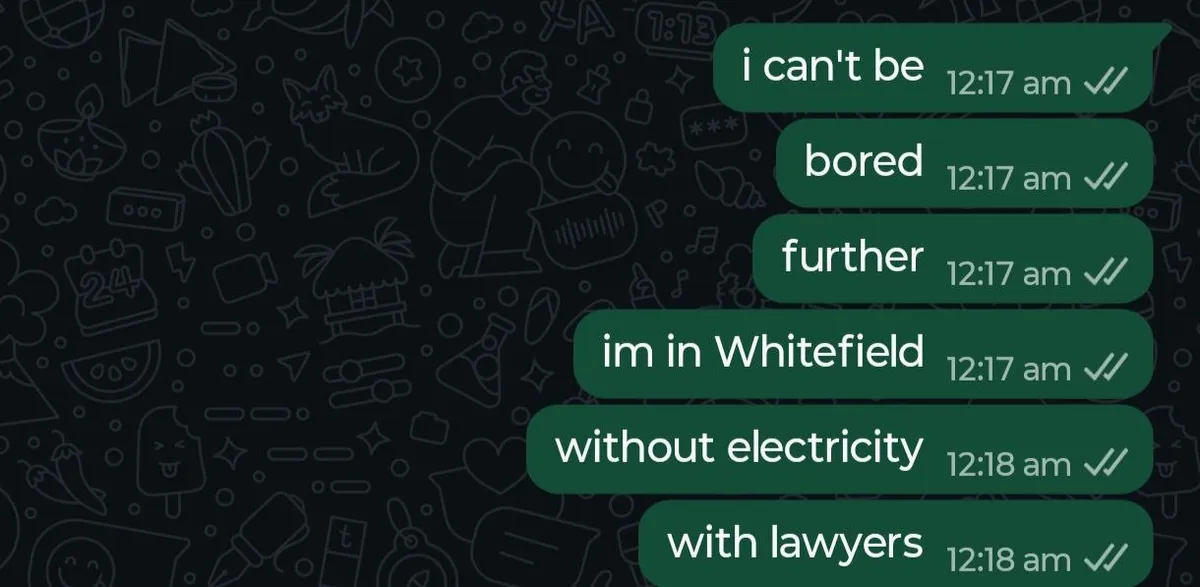
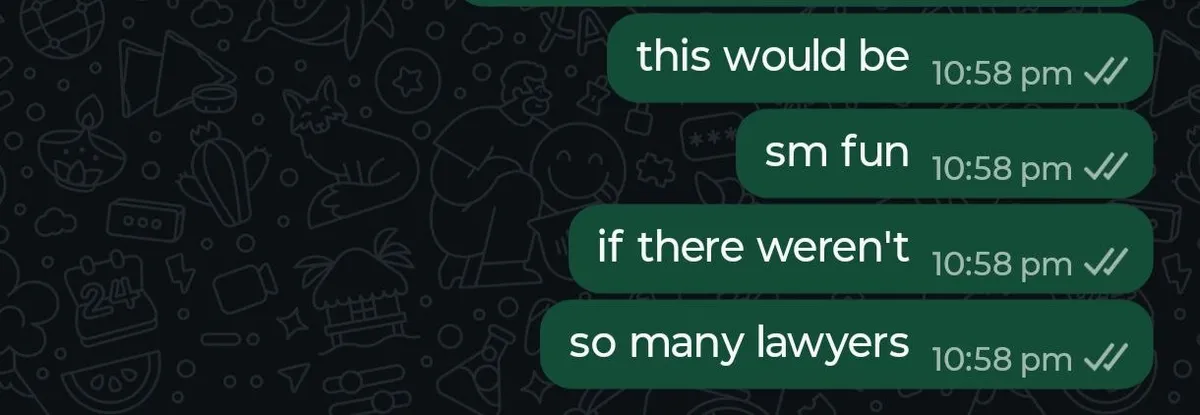
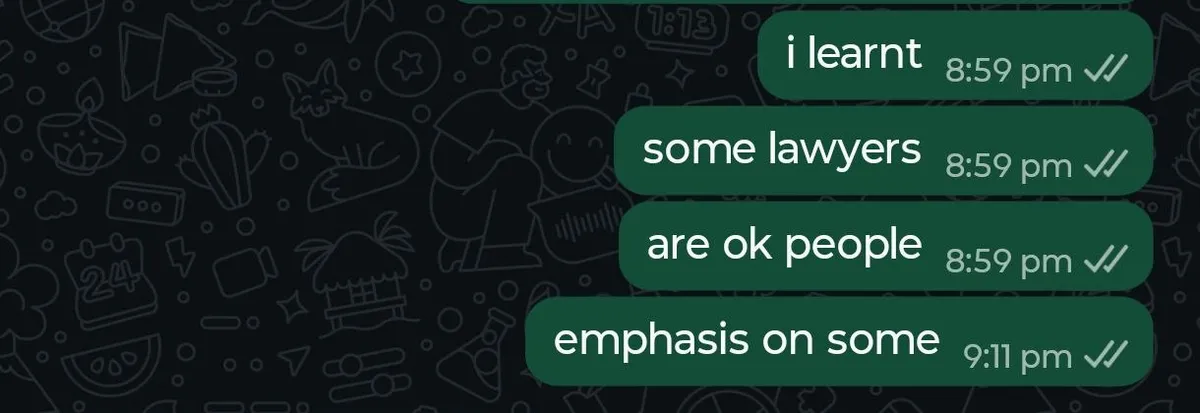
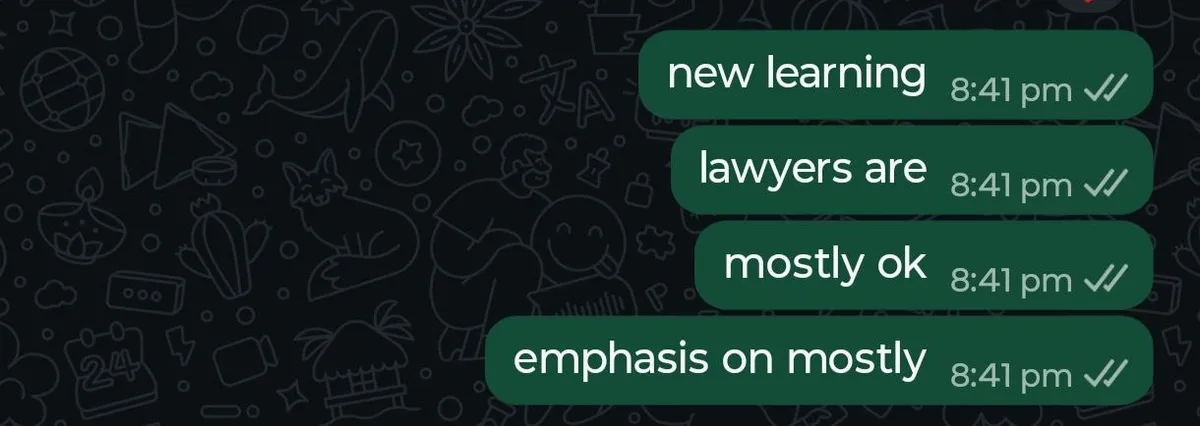
I am yet to reach a conclusion, but my hatred towards lawyers has definitely reduced compared to Whitefield, which stands strong. However, I was still surprised to find that a significant chunk of the group seemed politically neutral and pro-market, which I hadn't expected.
Anyway, after a rough 3 days of information overload, the Pharma Stack came to an end. We wrapped up with a Patent Workshop by the Third World Network, and they also talked about their work in ensuring under-resourced communities get access to life saving medicine. While I did go around telling everyone I was "sick of medicines" by the end of the 4th day, I did learn a lot not just about IP but also how hard (and yet, unnecessary) the problem of access to medicine is.
Policy and Platforms
The second half of the program was more up my sleeve. We started with an introduction to policymaking by Dr. Zakir, who's genuinely a breath of fresh air. This was my first time meeting him, but I had obviously heard a lot of praise about him before. A 2 hour session is barely enough to scratch the surface of the policy landscape, but I was surprised to see that law students also aren't very aware of the Indian policymaking framework, contrary to what I had assumed.
Throughout the program, I made it a point to ask various people what they thought the point of the program was, and there was a general sense of frustration towards law schools in everyone's mind. Having talked to and worked with engineering colleges all over the country, the state of Indian academia seldom surprises me, but it was interesting to hear some of the participants have the same gripes with their colleges as engineering students do. The Summer School highlights this problem every step of the way, but also makes genuine attempts to fix it.
Thematic learning is a core part of the Summer School experience, and you are posed with hypotheticals every day to question your assumptions and understanding of concepts. The post-pharma part of the Summer School started with various hypotheticals. Some of my favorites were -
- You have pirated paywalled articles from a Western academic journal. Can the author sue you?
- A 1980s moderately successful film has been rereleased, with a new ending made with the help of AI (the original film was not liked much because of the ending). Can the director sue?
- A P2P platform based out of Sweden provides torrent links to various media. There is no data hosted on its servers, but searching for the movie title shows said torrent links. Can the Production House sue for infringement?
- GOI wants to make software for running the elections. They have found a vendor who can work on this, but the vendor will only make Open Source Software, should the government go ahead with it?
This was the point when I went from the "non-lawyer" to the "engineer" in the room. I've never called myself an engineer before this, but it was fun techsplaining NFTs, Peer to Peer systems, Torrent and Open Source Software to people who were first hearing these terms.
Sunil's session on Platforms (power and openness) started with the story of Frederick, a mouse who sang its way through a dry winter. This was also the cohort's introduction to the term, open source, which we admittedly didn't do a great job of explaining in retrospect.
Commons
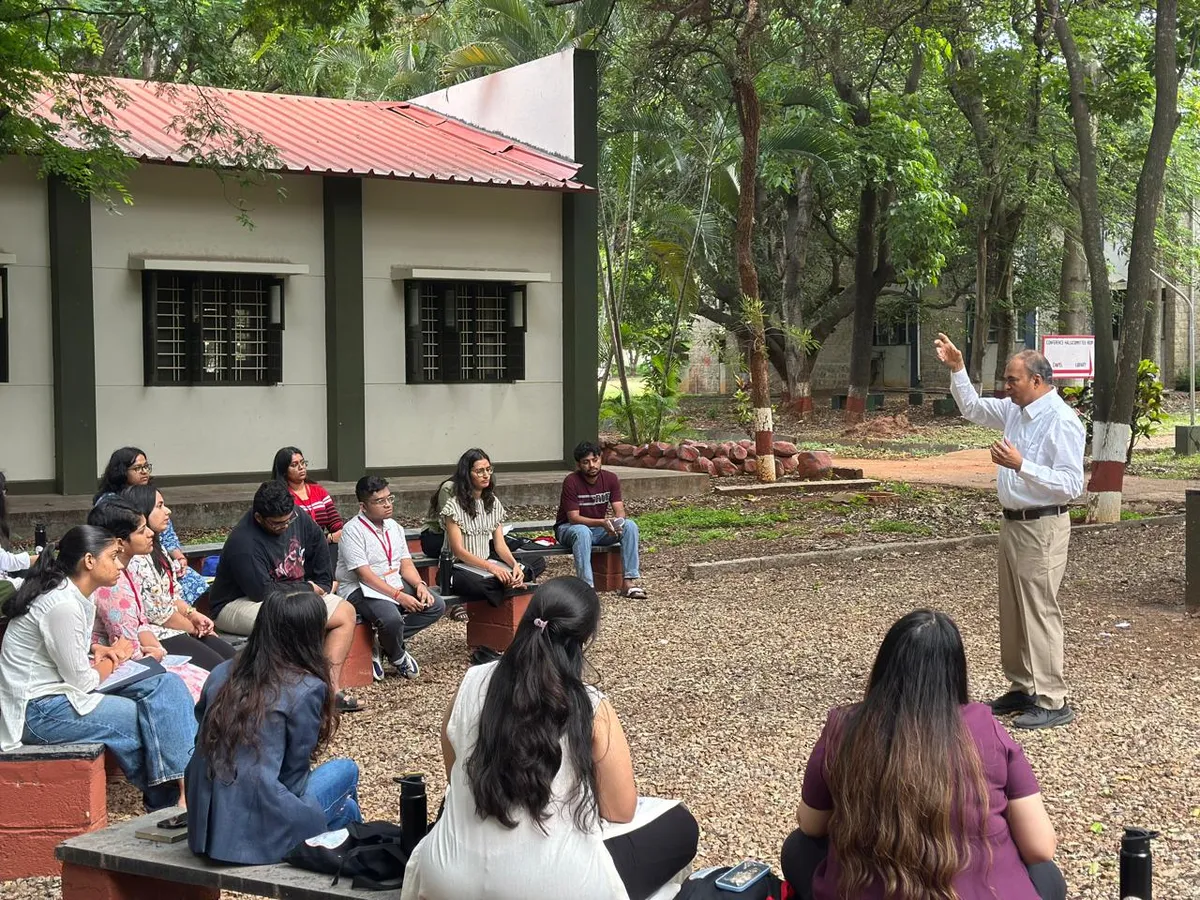
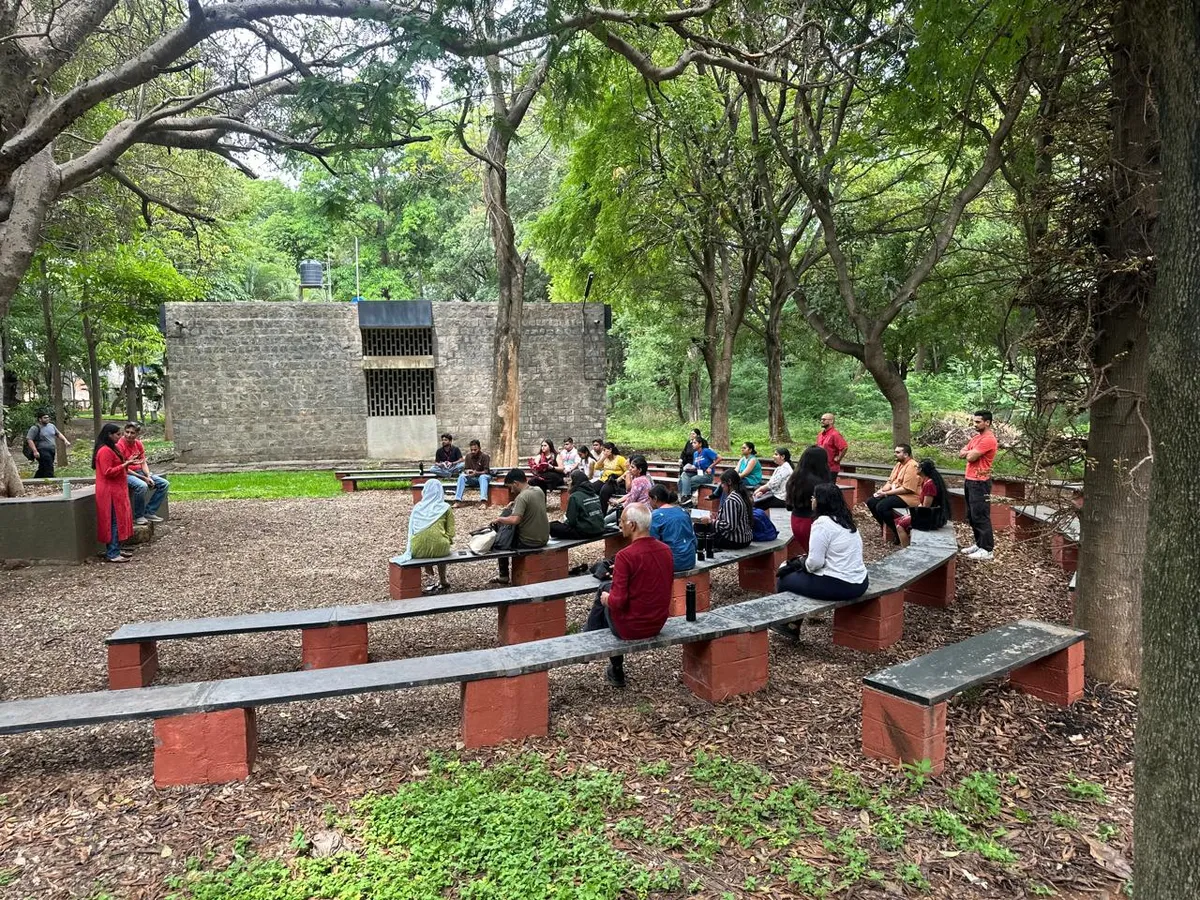
"Commons", "Open Source", "FOSS", "Open Access" were a common theme for the next few days. We started from little to no understanding of the terms ( the students mentioned Google, Adobe, etc. when asked to give examples of Open Source Software), and continued hammering these ideas over the course of the second half of the program. Prof. Ishupal introduced the ideas of the commons without explicitly using any jargon, constantly pushing students to reimagine Intellectual Property through an alternative lens.
Nikhil Narendran's introduction to AI and copyright in the age of GenAI raised some very interesting questions. I would've loved to talk more about regulation of AI which was again a common theme that several speakers briefly touched upon.
While all of this was happening, the cohort was hammering me with questions about FOSS and Open Source, and while I tried to do my fair bit of evangelism, I was quick to ask people to wait for Kailash's session to get better answers to some of their questions.
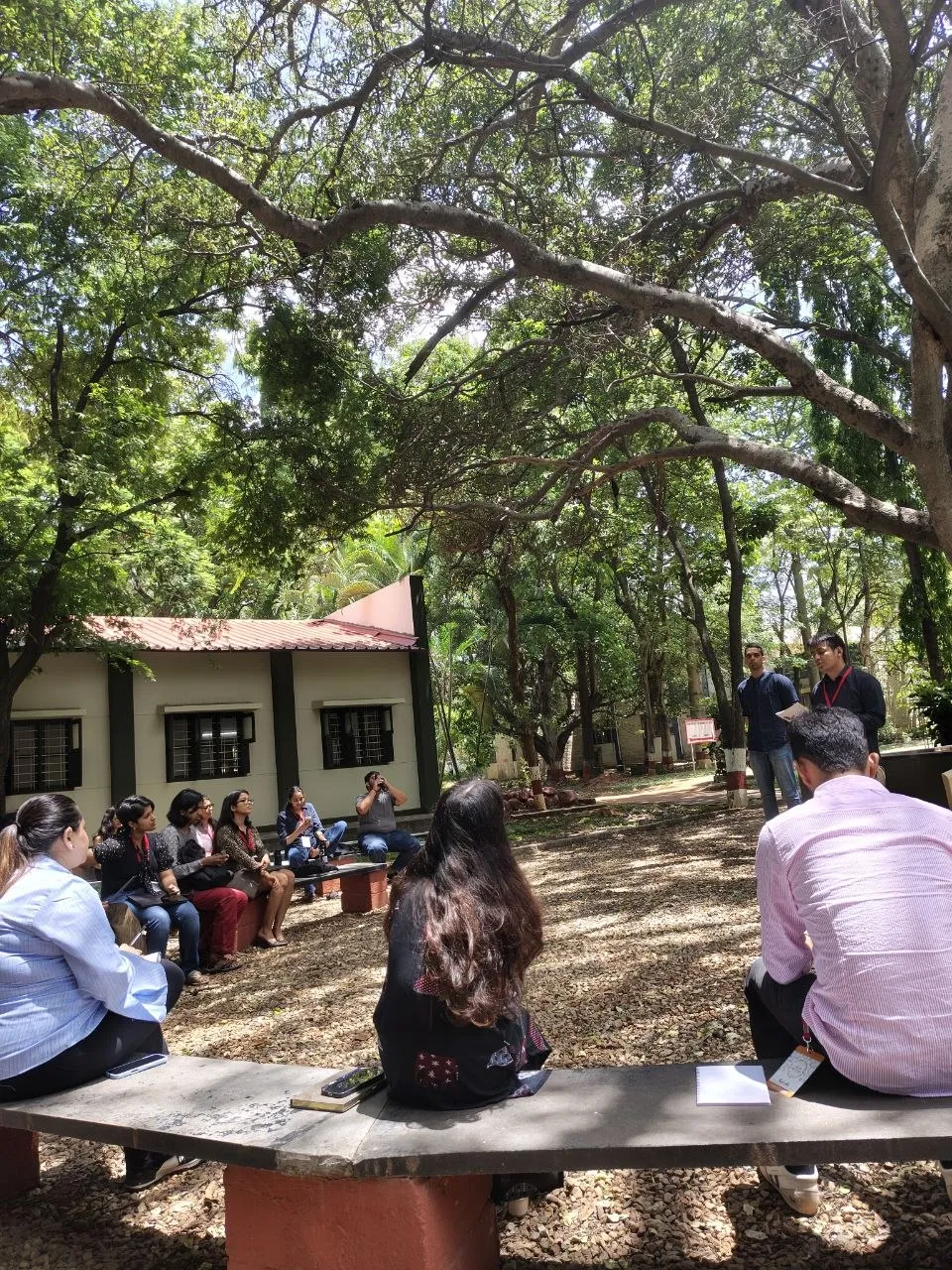
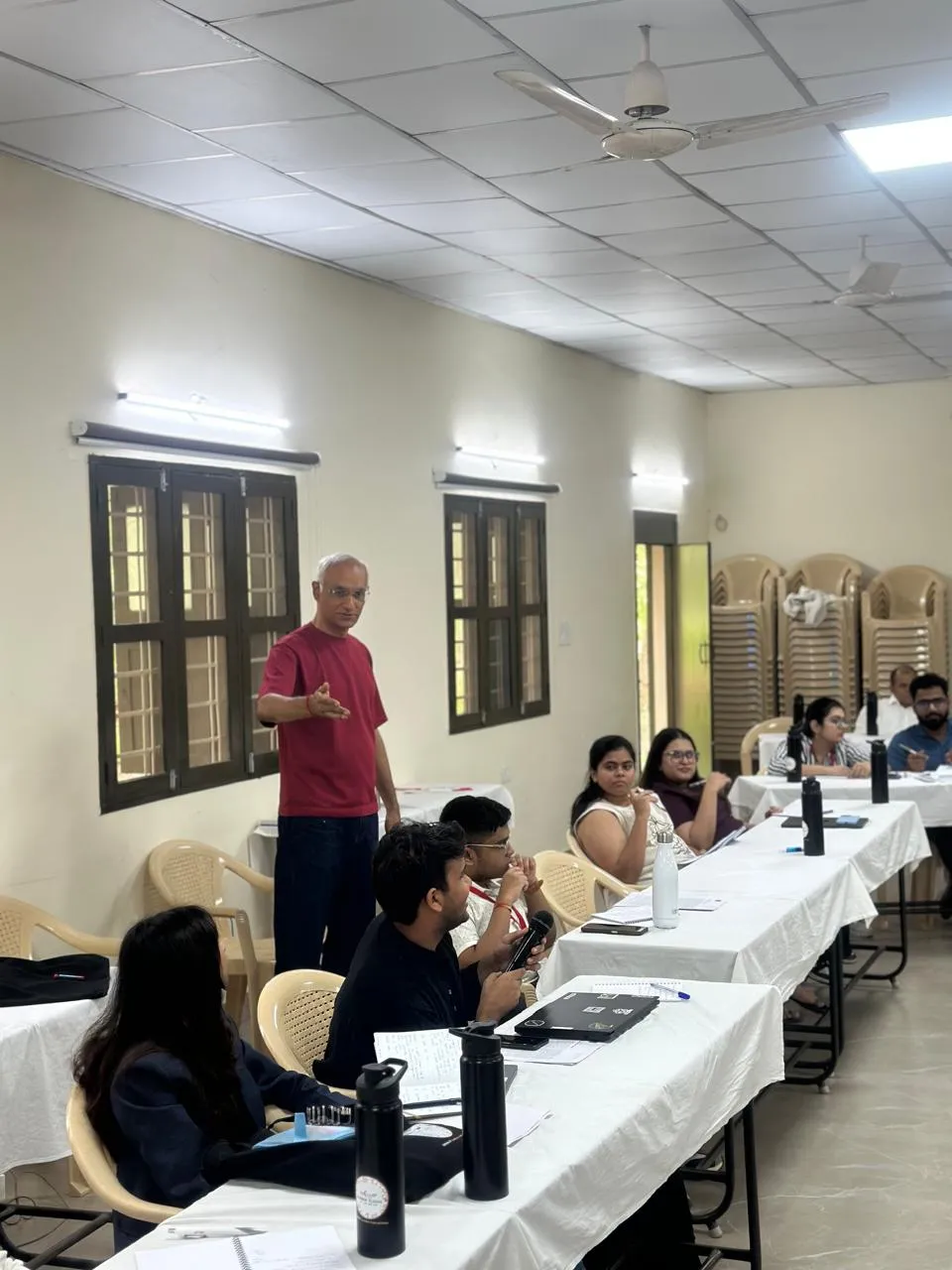
I've been evangelising FOSS for over 3 years now, and it's always interesting to see non-technical people get amazed (and eventually) convinced by the idea of FOSS. One of my personal goals with the program was to understand how to involve the legal community and law students in our work, and it was a pleasant surprise when half the cohort signed up to volunteer for FOSS/Software adjacent projects. It is, of course, a little conflicting to think about the fact that, like engineers, most law students will also end up working with the actors against our cause. With time, I hope we can help them imagine the alternative approaches one can take with their career, without having to sell their soul.
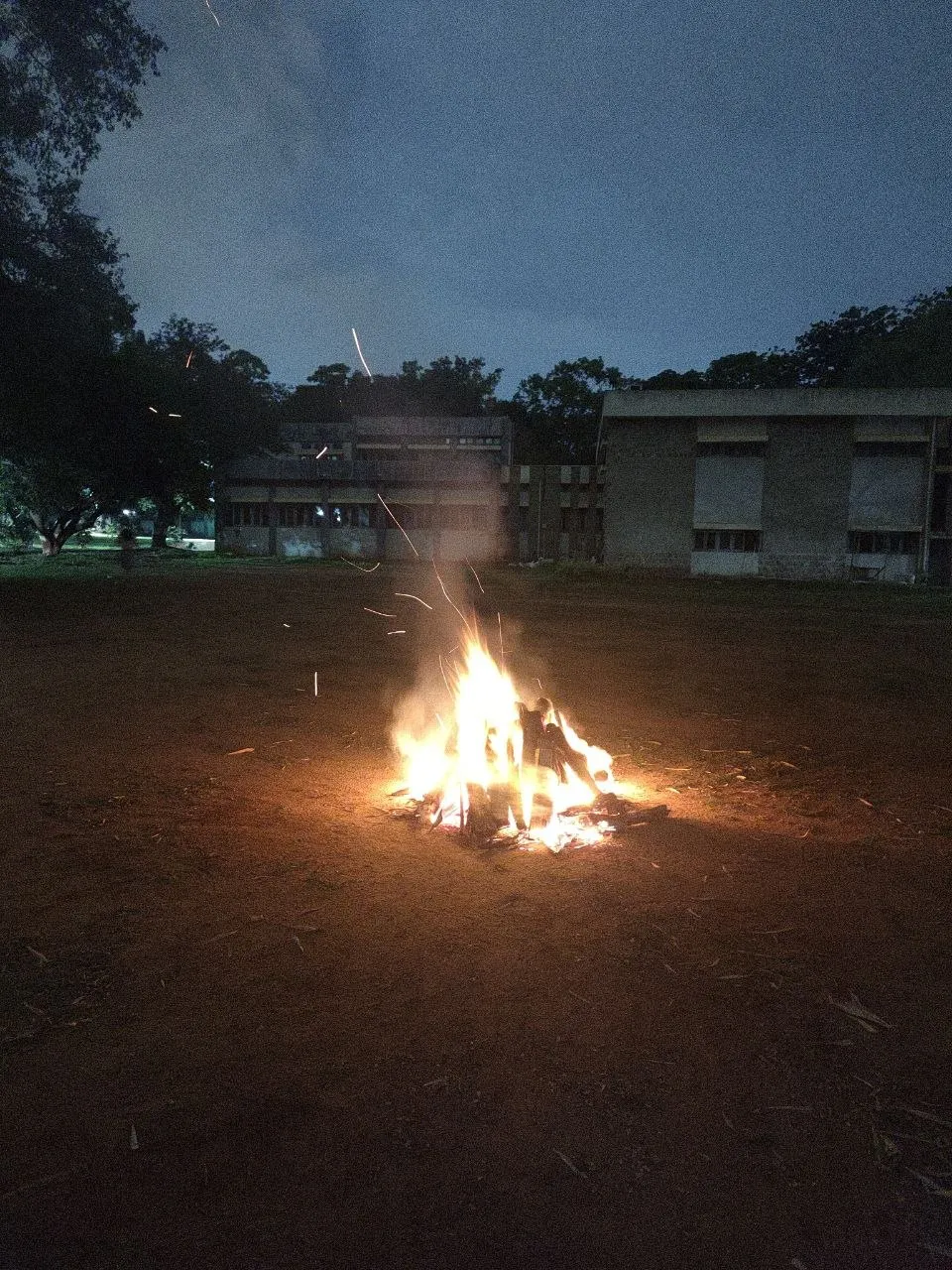
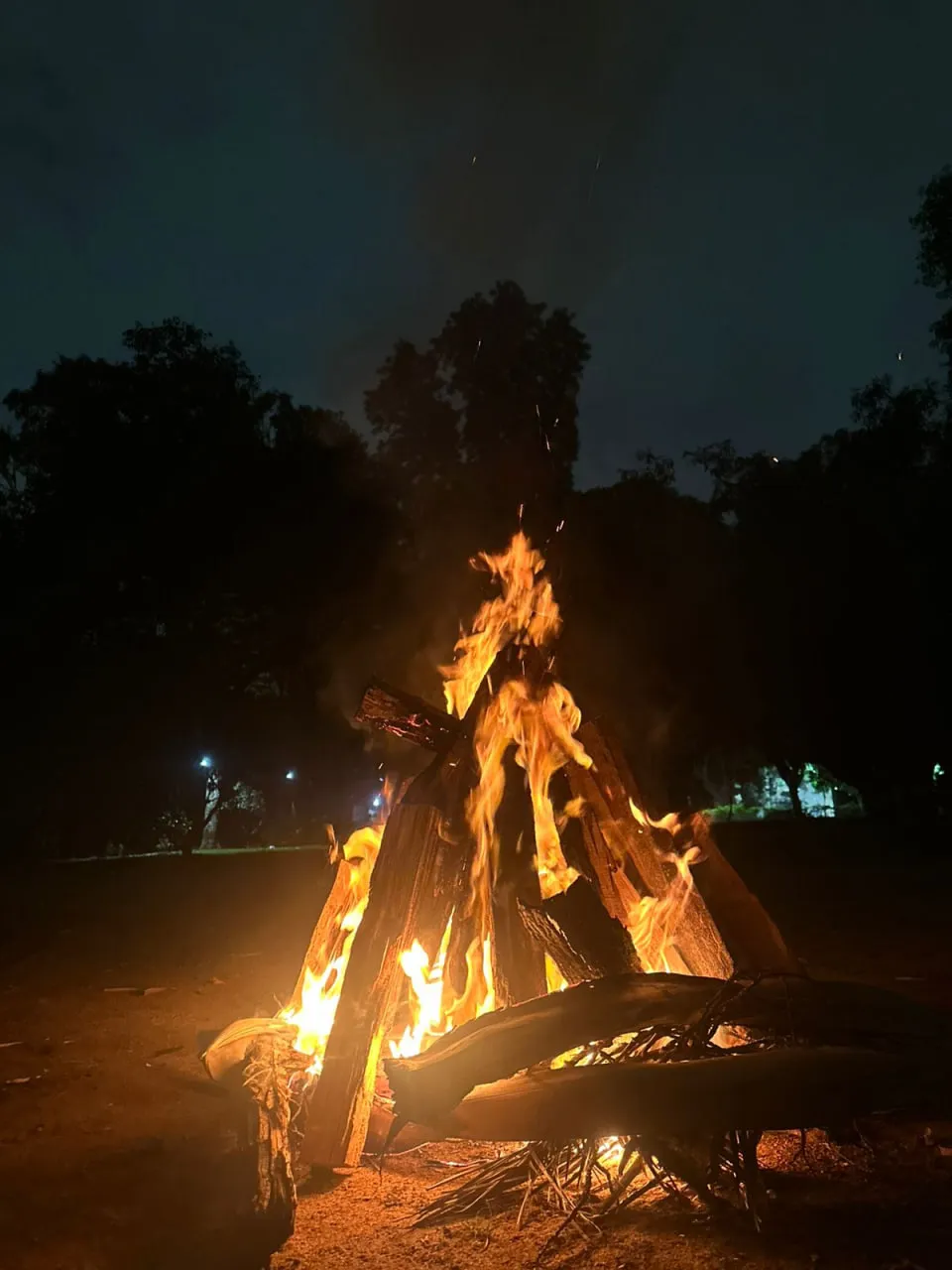
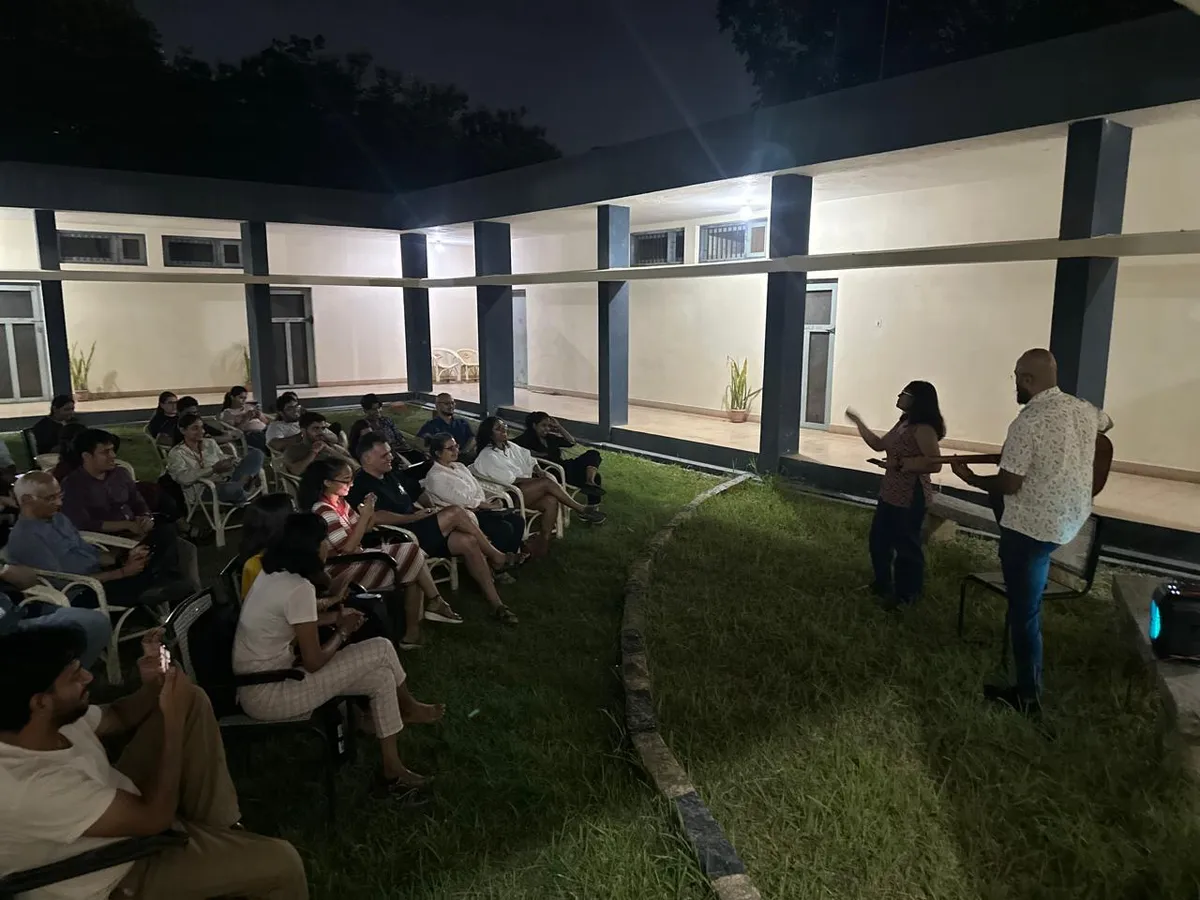
We wrapped things up with a bonfire and feedback session. I had been trying to wrap my head around the tens of things that this program is trying to do, and a lot of those dots connected towards the end. At its core, the Summer School is helping solve the "colleges don't teach shit" problem. In that process, however, the program ends up teaching a lot more. Perhaps the Summer School isn't really about "Rethinking IP". It's about producing people who are curious enough to question the assumptions they inherit, and hence rethink Education itself. I hope the team realises the value of what they've built in setting up this humble Summer School. A very important reason why it works the way it does is also because of the organising team - a group of volunteers that chooses to spend 10 days in Whitefield helping run the show. I know a thing or two about working with volunteers, and I've never seen a more passionate group of individuals (all doing seemingly well at college/work), so well aligned with a mission and choosing to spend their precious time helping out with something as intensive. Even the speakers choose to spend multiple days at the campus (and some of them stayed up talking to students till 3am!). I have not seen another institution that has gained this sort of goodwill and continues to pull people in such a way.
Lawyers aren't that bad, after all.